








From Dhoni’s iconic 7 to Kohli’s bold 18, jersey numbers represent more than mere stitched-on numbers. The 1 to 100 jersey number in cricket india reflects deep connections between fans and heroes, linking old traditions with new formats while shaping the history and future development of the game.
Some players select their numbers based on numerology and astrology, hoping it will bring luck or balance their energy. Others stick with one number throughout their careers like KL Rahul’s 1 which stands for starting over.
| Jersey No. | Indian Player Name |
|---|---|
| 1 | KL Rahul |
| 2 | Not Assigned |
| 3 | Not Assigned |
| 4 | Not Assigned |
| 5 | Gautam Gambhir |
| 6 | Rishabh Pant |
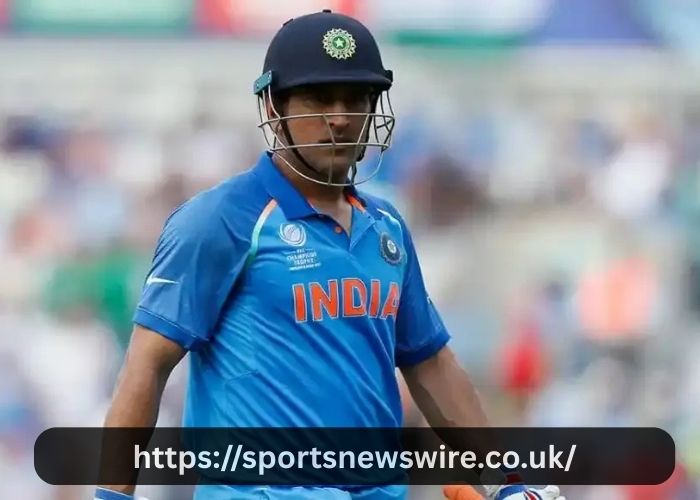
| 7 | MS Dhoni |
| 8 | Ravindra Jadeja |
| 9 | Not Assigned |
| 10 | Sachin Tendulkar |
| 11 | Mohammed Shami |
| 12 | Yuvraj Singh |
| 13 | Munaf Patel |
| 14 | Hardik Pandya |
| 15 | Bhuvneshwar Kumar |
| 16 | Not Assigned |
| 17 | Rishabh Pant (earlier) |
| 18 | Virat Kohli |
| 19 | Dinesh Karthik |
| 20 | Axar Patel |
| 21 | Yashasvi Jaiswal |
| 22 | Not Assigned |
| 23 | Kuldeep Yadav |
| 24 | Not Assigned |
| 25 | Not Assigned |
| 26 | Not Assigned |
| 27 | Ajinkya Rahane |
| 28 | Rahul Chahar |
| 29 | Not Assigned |
| 30 | Not Assigned |
| 31 | Ruturaj Gaikwad |
| 32 | Ishan Kishan |
| 33 | Not Assigned |
| 34 | Not Assigned |
| 35 | Not Assigned |
| 36 | Not Assigned |
| 37 | Shardul Thakur |
| 38 | Not Assigned |
| 39 | Not Assigned |
| 40 | Not Assigned |
| 41 | Shreyas Iyer |
| 42 | Not Assigned |
| 43 | Not Assigned |
| 44 | Not Assigned |
| 45 | Rohit Sharma |
| 46 | Not Assigned |
| 47 | Not Assigned |
| 48 | Not Assigned |
| 49 | Not Assigned |
| 50 | Not Assigned |
| 51 | Not Assigned |
| 52 | Not Assigned |
| 53 | Not Assigned |
| 54 | Not Assigned |
| 55 | Not Assigned |
| 56 | Not Assigned |
| 57 | Not Assigned |
| 58 | Not Assigned |
| 59 | Not Assigned |
| 60 | Not Assigned |
| 61 | Not Assigned |
| 62 | Not Assigned |
| 63 | Not Assigned |
| 64 | Not Assigned |
| 65 | Not Assigned |
| 66 | Not Assigned |
| 67 | Not Assigned |
| 68 | Not Assigned |
| 69 | Not Assigned |
| 70 | Not Assigned |
| 71 | Not Assigned |
| 72 | Not Assigned |
| 73 | Not Assigned |
| 74 | Not Assigned |
| 75 | Not Assigned |
| 76 | Not Assigned |
| 77 | Shubman Gill |
| 78 | Not Assigned |
| 79 | Not Assigned |
| 80 | Not Assigned |
| 81 | Not Assigned |
| 82 | Not Assigned |
| 83 | Not Assigned |
| 84 | Not Assigned |
| 85 | Not Assigned |
| 86 | Not Assigned |
| 87 | Not Assigned |
| 88 | Not Assigned |
| 89 | Not Assigned |
| 90 | Not Assigned |
| 91 | Not Assigned |
| 92 | Not Assigned |
| 93 | Not Assigned |
| 94 | Not Assigned |
| 95 | Not Assigned |
| 96 | Not Assigned |
| 97 | Not Assigned |
| 98 | Not Assigned |
| 99 | Ravichandran Ashwin |
| 100 | Not Assigned |
The history of jersey numbers in cricket
As cricket grew increasingly popular and global broadcasting became the norm, so did its need for quick player identification. This was especially evident during limited-overs cricket where its fast pace often made it hard to distinguish players by name alone; jersey numbers became an invaluable aid that quickly became integral part of the game.
T20 leagues such as the IPL have contributed significantly to accelerating jersey number usage. These fast-paced leagues feature high scoring action that requires fans to quickly identify players. Jersey numbers also help increase fan engagement and merchandising efforts as fans purchase jerseys bearing their favorite player’s number.
Jersey numbers quickly became a standard practice in limited-overs cricket and T20 leagues, while they took longer to gain acceptance among Test cricket teams. Recently though, Test teams have begun adopting jersey numbers more commonly; many fans have welcomed this development, as it helps them connect more closely with their favorite players.
Even though stitched numbers on a shirt may only look like decorative additions, cricket jersey numbers hold great meaning for players. Not only do they represent identity but also personality and history – a bowler’s number may indicate speed or aggression while batters’ numbers often reflect grace or resilience.
Jersey numbers are an integral component of cricket culture and should be used as tools to identify player performances and build team spirit and unity, promote merchandise sales, and deepen fans’ connection to the game. They allow fans to quickly identify their favorite players as well as deepen team spirit by quickly recognizing players quickly. They also facilitate quick player identification within teams while strengthening fans’ attachment to their favorite game!
Certain jersey numbers tend to be more searched-for, which can indicate their strength of association or long-term use. For example, search results often associate certain numbers with specific players or long-term usage patterns – for instance MS Dhoni is often associated with number 7 while Virat Kohli often wears 18 and Rohit Sharma often chooses 45; some jersey numbers have even been retired because of legacy reasons (Rahul Dravid has retired his number 19 while Shikhar Dhawan often opts for 42 as part of his branding identity).
The use of jersey numbers in women’s cricket
No formal system exists for retiring jersey numbers; however, cricket players tend to be superstitious and may change their shirt number if it seems unlucky for them. Many also consult astrologers or spiritual advisors before choosing their number; many believe a particular number will bring luck while others blame poor form on it – though none of this has ever been proven true! Despite such beliefs there is no proof that jersey numbers affect one’s performance at all.
Jersey numbers speak to a cricketer’s journey, culture and faith. More than just numbers on polyester jerseys, they serve as identities stitched in polyester thread. This tradition-steeped use of numbers can often be seen in India where many players wear specific numbers to honour family members or heroes they admire while others select one to symbolize strength courage or determination.
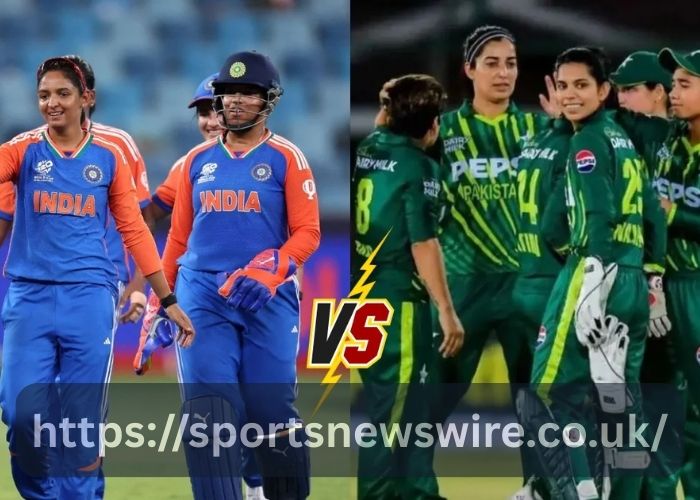
Many cricketers have worn the same jersey number throughout their careers due to a strong association between this number and themselves, the history of cricket, or both. For instance, MS Dhoni famously donned jersey number 7 due to it being his birthday; later retired but still wearing this number by women’s team captain Harmanpreet Kaur.
Apart from being associated with prominent cricketers, jersey numbers can also be used to identify players during live matches. Certain jersey numbers tend to be searched more than others due to strong associations or long-term use – for instance, 11 has long been linked with popular Indian cricketer Mohammed Shami.
Jersey numbers serve a dual function; both as an identity marker and to aid umpires in their identification of players on the field. This is especially beneficial during test matches where umpires must keep track of all the players on the ground – to prevent confusion they need to know which players wear which jersey numbers and this information helps them make fair decisions throughout a match.
The use of jersey numbers in men’s cricket
jersey numbers represent more than just mere digits: they act as an important link between fans and players, old traditions and modern formats, as well as between past and future of the sport.
Jersey numbers have become an integral part of cricket culture over time. Their introduction was particularly welcome at T20 matches where scoring can quickly accumulate; fans were easily able to identify players by their numbers and track their performance more effectively.
Many cricket players select their jersey numbers for personal reasons. Virat Kohli wears 18 in memory of his late father while KL Rahul opts for 1, which symbolizes fresh starts and “the first among equals”. Shubman Gill wears 77 to honor family tradition while other players select numbers based on birthdate or inspiration from legends.
Jersey numbers can also serve as a symbol of respect. Following Australian cricketer Phillip Hughes’ death in 2014, many teams utilized his ODI jersey number 64 in tribute to this fallen cricketer – although not officially retiring it.
Most teams utilize a system of seniority or first come, first-served when assigning jersey numbers to players, ensuring that no two individuals use the same number at once. However, this can differ depending on franchise league rules.
Cricket teams sometimes reserve jersey numbers for specific players. India, for instance, reserves jersey numbers exclusively for its top-level players – these jerseys usually sport the club crest above or below and can be customized at the player’s discretion.
Soon, more cricketers will adopt jersey numbers. This trend is likely to expand as more women enter the sport and demand for personalized jerseys increases. Jersey numbers will become an integral part of cricket culture over time; such as Sachin Tendulkar announcing that he will retire his number 10 while Mahendra Singh Dhoni did the same with number 7 so fans may always remember them fondly.
The use of jersey numbers in IPL
Jersey numbers in modern cricket may seem like simple stitched-on numbers, but they represent much more. Jersey numbers act as symbols of identity, emotion, and legacy for their wearers’ millions of fans worldwide; serving as shorthand for bowlers’ speed or aggression or batters’ grace and resilience.
Kerry Packer popularised jersey numbers during his World Series Cricket tournaments that featured day-night matches and vibrant clothing, which led to its widespread implementation across ODIs, T20Is, franchise leagues and international matches. Their use has become standard across ODIs, T20Is and franchise leagues to aid fans quickly identify players they enjoy watching as well as add flair to team kits while encouraging players to select a number that represents themselves.
Some cricketers choose their jersey number out of sentiment or superstition; other may make the number an object of devotion by touching it before every over or aligning it with wristbands and gear color for balance. Although these habits may seem inconsequential, they can have a major effect on performance.
Jersey numbers play an integral role in both identifying players during matches and in technical aspects of the game. Replays, analytics, DRS reviews and commentator narration all benefit from accurate jersey number identification. Furthermore, jersey numbers serve as part of player branding and can help increase income potential.
Jersey numbers in cricket have seen rapid expansion, particularly among T20 and franchise league fans. As the game becomes more global and commercialized, fans increasingly wish for personal connections with their favorite players’ numbers and how certain numbers relate to specific individuals who wear them.
Mahendra Singh Dhoni and Virat Kohli have become instantly recognizable numbers due to being frequently shown on highlight clips and replays, while Shubman Gill has made himself easily recognisable with his double-digit jersey number of 77 in Indian cricket, standing out among an otherwise single-digit field.